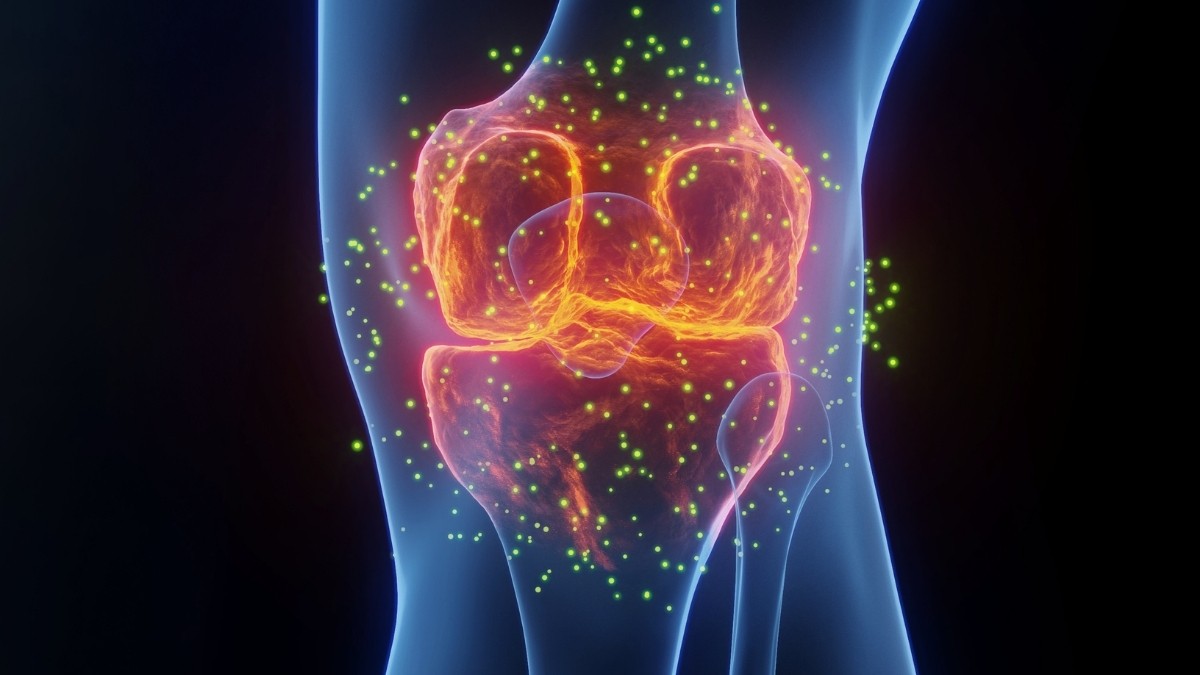
Your joints ache. Stiff. Locked up. The last thing on earth you want to do is move.
But that’s exactly what you need to do.
It sounds counterintuitive, we know. When osteoarthritis turns your knees into grinding gears, instinct says “rest.” Instinct also tells you that taking a steroid injection or swallowing an anti-inflammatory is the fastest way out. It feels like it should be. It isn’t.
Experts are finally shouting what physiotherapists have known for years. Consistent physical activity beats temporary chemical fixes. Not by a little. By a lot.
The Wrong Diagnosis
Here’s the rub. Most people aren’t getting exercise referrals.
In the US, the UK, and Europe, doctors are still handing out surgery tickets or script prescriptions while the evidence stack grows against it. They aren’t referring patients to physical therapists. Some jump straight to the scalpel. That is a problem. A big one.
Clodagh Toomey, a physiotherapist at Ireland’s University of Limerick, put it bluntly in 2025:
“The best medicine isn’t found in a pillar bottle or an operating theatre. Yet across countries and health systems, too many patients are being steered away from the one therapy that works.”
Exercise.
Why the hesitation? Fear. Doctors and patients alike worry about wrecking an already “damaged” joint. They view arthritis as mechanical wear-and-tear. Like an old car tire balding on the highway. Run it hard, it blows out.
That model is dead. It was never right to begin with.
We don’t think of arthritis as just cartilage thinning anymore. It’s not simple friction. It’s systemic. The whole joint gets involved—bones, ligaments, nerves, muscles. Plus there’s body-wide inflammation driving the pain. Medication treats the symptom. Exercise treats the structure. It strengthens everything holding the joint together. It might even tamp down those hormonal and metabolic signals causing the flare-ups, though we need more data on that front.
The Long Game
Short-term studies show exercise helps. Even in severe knee and hip cases, moving minimizes pain and keeps function intact. But the studies are often brief. Or messy. They lump “supervised” gym time with “unsupervised” home workouts, making the results look muddy.
Does it matter? Probably. A structured plan with a professional likely outperforms random effort over time. Plus, you dodge the drug side effects and surgical risks entirely.
Sure, a total hip replacement beats exercise for someone in absolute agony where the bone is grinding on bone. Surgery works for the endgame. But for everyone else? It’s unnecessary risk. High cost. High invasion. Physical therapy is cheap, safe, and effective.
The NHS gets this right, mostly. Their info pages tell patients to stop worrying about making it worse. “Regular exercise builds muscle,” they note, “which strengthens joints.” Simple. True. Often ignored.
What Should You Do?
If you want specifics, science has them. Mostly.
A massive review of 217 trials covering over 15,00 people pointed to one winner: aerobic exercise. After twelve weeks, it crushed pain better than almost anything else. Think brisk walking. Swimming. Cycling. Not just pain relief either. Joint function stayed improved up to twenty-four weeks later.
Is walking the only way? No.
Another 2023 review looked at the menu of options. Yoga? Tai chi. Pilates? Resistance training? They all worked for knee osteoarthritis patients. Variety matters less than participation.
Hunter Bennett and Lewis Ingram, exercise scientists in Australia, cut through the noise with advice you could actually live with.
“The best type of exercise is the one you do.”
If you hate the gym but love the outdoors, go for a walk. If you find tai chi meditative and it hurts less than running, stick with it. The metric isn’t the type of movement. It’s the act of moving.
The path to painless joints doesn’t look like a pill bottle. It looks like your legs. Whether you walk, swim, or shuffle doesn’t change the fact that you have to get up and try.
Are you going to?