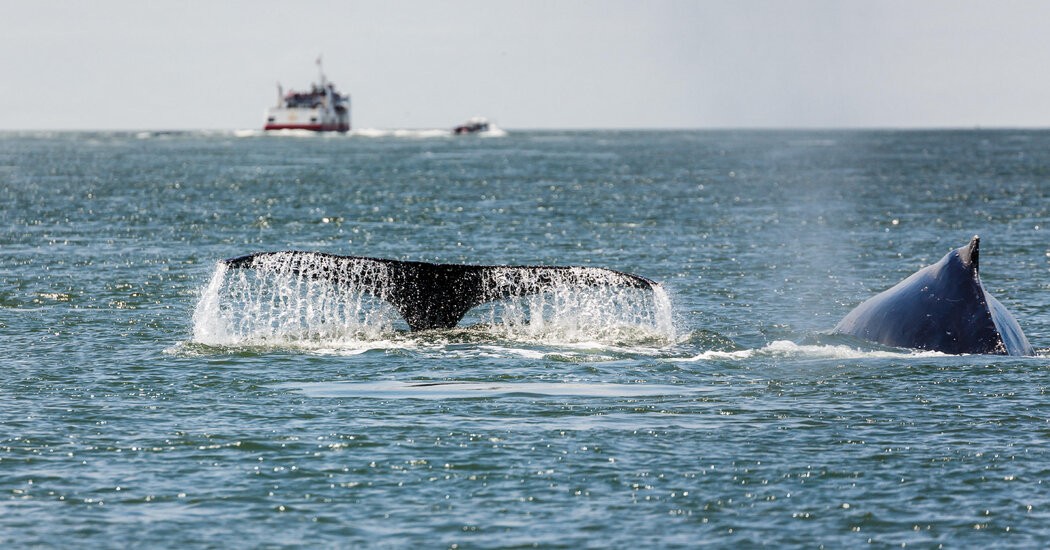
New research has revealed a sobering reality for the gray whale population visiting the San Francisco Bay: a significant portion of these marine mammals are dying within the bay’s waters, with vessel collisions identified as a primary cause.
The Scale of the Crisis
A study published Monday in the journal Frontiers in Marine Science estimates that approximately 18% of gray whales that entered the San Francisco Bay between 2018 and 2025 did not survive.
The findings suggest a much darker trend than the raw numbers might initially imply:
– Lethal Ship Strikes: Of the confirmed deaths, at least 40% were caused by injuries sustained from colliding with ships.
– Underreported Numbers: Researchers emphasize that these figures represent only the “minimum” confirmed cases. Due to the difficulty of tracking every carcass in a vast marine environment, the actual mortality rate is likely much higher.
– A Recurring Pattern: The study notes a consistent trend of mortality; last year, nearly two dozen dead whales were found, and in just the last few weeks, at least five carcasses have already been discovered.
How the Data Was Gathered
Lead author Josephine Slaathaug, a graduate student at Sonoma State University, utilized a meticulous manual process to reach these conclusions. Her team analyzed tens of thousands of photographs of both living and dead whales spotted in the region. By building a comprehensive catalog, they were able to match specific individual whales to carcasses found in the area, providing a rare, clear look at the survival rates of these migratory animals.
Why This Matters: The Context of Maritime Traffic
The high rate of mortality highlights a growing conflict between marine biodiversity and maritime commerce. As San Francisco Bay remains a critical hub for shipping, the increasing frequency of whale sightings in these busy lanes creates a high-risk environment for the species.
The research raises urgent questions regarding:
1. Shipping Lane Management: Whether current vessel routes and speeds are compatible with whale migration patterns.
2. Detection Capabilities: The need for better real-time monitoring to prevent collisions before they occur.
3. Population Stability: How these localized deaths impact the broader health and recovery of the global gray whale population.
“It’s really important to understand that these are just minimums that we were fully able to confirm,” warns Slaathaug, noting that researchers suspect nearly half of the whales entering the bay may be victims of ship strikes.
Conclusion
The study underscores that ship strikes are a major driver of gray whale mortality in the San Francisco Bay, suggesting that current maritime activity poses a significant threat to the survival of these migrating whales.