New data from the UK Butterfly Monitoring Scheme (UKBMS) reveals a striking paradox in British nature: while some butterfly species are flourishing due to a warming climate, many of the country’s most iconic species are facing a steep and alarming decline.
Spanning nearly 50 years and powered by over 44 million citizen-science records, this massive dataset provides a “gold standard” look at how biodiversity is responding to a changing world. The results show a growing divide between generalists —species that can adapt to various environments—and specialists —those tied to very specific habitats and food sources.
The Winners: Adaptable Species Thriving in a Warmer Climate
As temperatures rise, butterflies that can inhabit diverse settings like gardens, parks, and farmland are seeing their numbers swell. Because butterflies are cold-blooded, warmer weather can extend their breeding seasons and allow them to expand their territories further north into Scotland and northern England.
Several species are currently seeing significant gains:
– Red Admiral: These have become so well-adapted to the warmth that some are now spending winters in the UK.
– Orange Tip: Population numbers have surged by more than 40% since 1976.
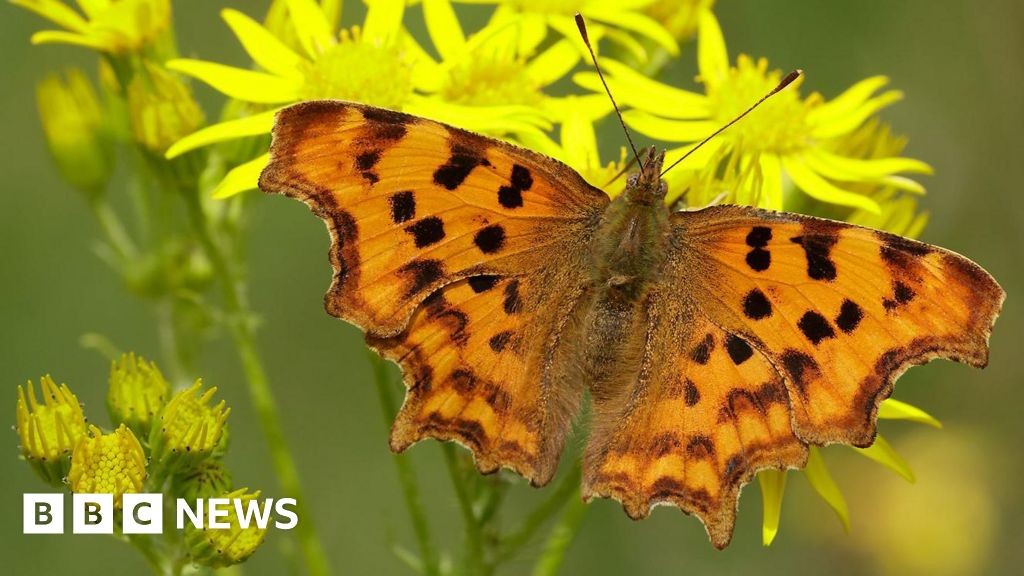
– Comma: This species has shown a steady recovery over the decades.
– Black Hairstreak: Once among the UK’s rarest, it is rebounding due to targeted conservation work.
– Large Blue: A major conservation success story, this species has been brought back after being declared extinct in 1979.
The Losers: The High Cost of Specialization
While the generalists thrive, the “specialists” are in crisis. These are butterflies whose survival depends on very specific plants or delicate habitats like chalk grasslands and woodland clearings. As these environments are lost to intensive farming or urban development, these butterflies have nowhere to go.
The declines among these specialists are nothing short of dramatic:
– White-letter Hairstreak: Populations have plummeted by 80%.
– Pearl-bordered Fritillary: This species has seen a 70% decline, largely because its caterpillars rely exclusively on violets.
– Small Tortoiseshell: Despite being relatively adaptable, this once-common butterfly has declined by 87%.
“Just as we have lost family-run shops and traditional skills from the nation’s high streets, we’ve lost variety and diversity in the butterfly communities that can exist in our damaged and simplified landscapes.” — Prof. Richard Fox, Head of Science at Butterfly Conservation
Why This Matters: The Habitat Gap
The core issue is a lack of “ecological connectivity.” Even if the climate becomes more favorable for a species, they cannot move to new areas if there are no suitable “stepping stones” of habitat to help them travel.
Many butterflies are incredibly “picky” eaters. For example, the Duke of Burgundy requires primroses and cowslips, while the Purple Emperor depends on specific willow species. When these specific plants disappear due to land-use changes, the butterflies disappear with them.
Conservationists are fighting back by creating diverse reserves—such as the Magdalen Hill Downs—that host a wide variety of wildflowers like lady’s bedstraw, toadflax, and knapweed to ensure a buffet of options for different species.
Conclusion
The UK’s butterfly populations are undergoing a fundamental restructuring; while climate change provides a boost to hardy generalists, it cannot compensate for the rapid loss of the specialized habitats required by many of our most unique species. The survival of Britain’s biodiversity now depends on whether conservation efforts can keep pace with the fragmentation of the natural landscape.