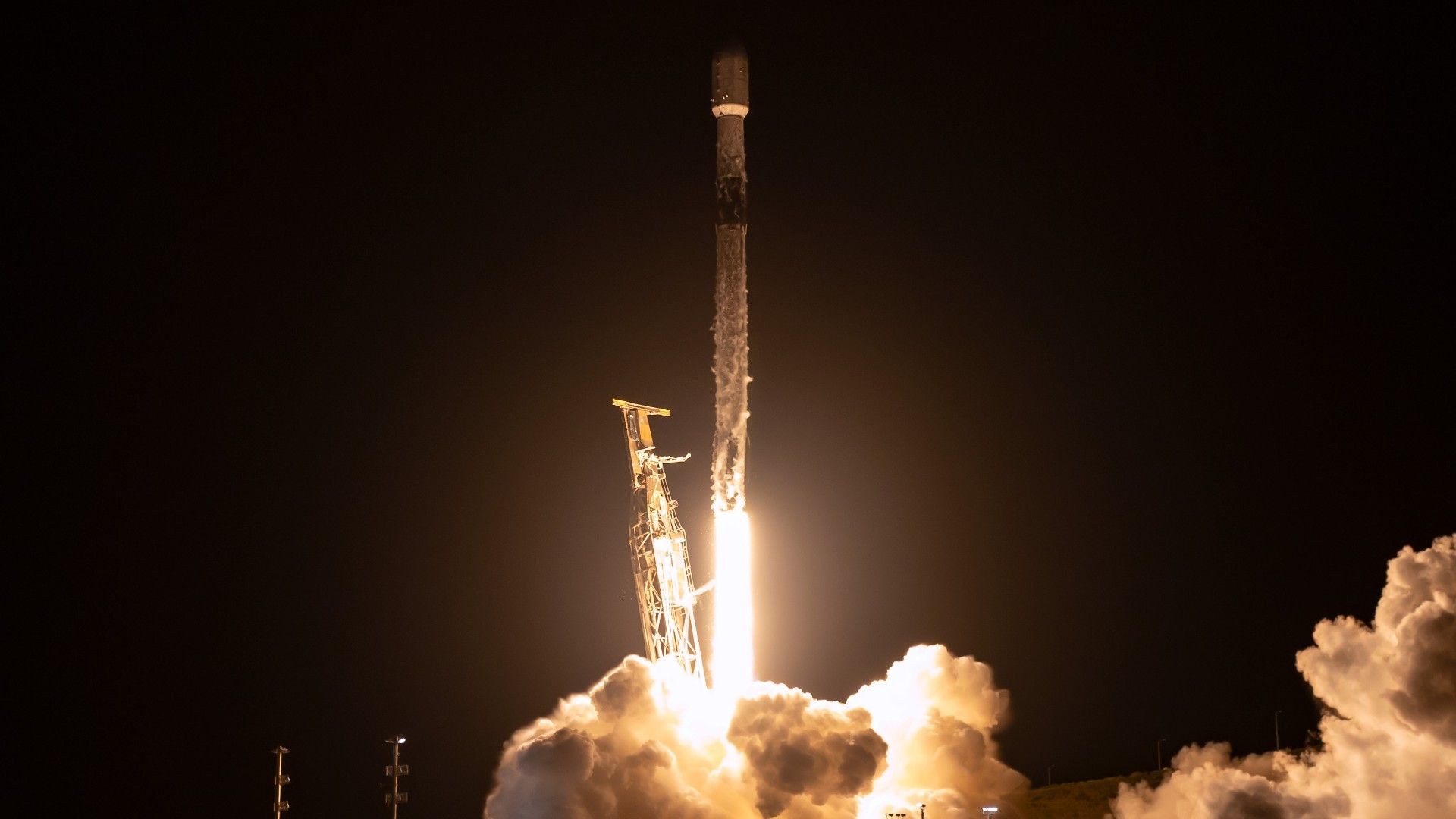
Tuesday morning gets loud. 3:10 a.m. EST. The sky over Vandenberg is still dark. A Falcon 9 is going up. It carries 81 things. Let’s just call it a packed bus.
Transporter-17. That’s the name. The 17th run of this rideshare model. There is also the Bandwagon program, quieter, only four missions so far. Between the two, SpaceX has flung over 1,800 payloads into orbit. Remember Transporter-1 in 2021? It sent 143 up in one go. The record still stands. Who’s stopping them? Nobody.
1800 payloads later and the truck never breaks.
What is going up this time? Mostly small stuff. CubeSats. MicroSats. Orbital transfer vehicles. Eight of them are hitchhiking to get dropped off later. But there is one heavy hitter. A big one. CAS500-4.
South Korean Earth observer. 1,100 pounds. It weighs more than some of the other ships on this trip. It’s the fourth of a planned five-sat fleet for Korea’s LEO monitoring network. They want to watch crops. They want to watch forests. Earth gets judged by the sky.
The booster itself? This one has flown 11 times. It knows the drill. Liftoff happens. Eight minutes and thirty seconds later it’s back down. Or rather. Onto a drone ship. “Of Course I Still Love You” sits waiting in the Pacific. Catching another rocket stage is starting to look routine. Almost mundane.
The upper stage keeps climbing. About fifty minutes later. The door opens. The satellites pour out. CAS500-4 hangs on a bit longer though. Nearly two and a half hours after the engines cut out it finally floats free. Drifting. Silent. Watching.
We build these constellations layer by layer. The orbit fills up. We rarely think about what comes after.