A small, early-stage study is raising eyebrows—and not just because of the method. Researchers in China found that fecal microbiota transplants, often dubbed “poop pills,” may actually help adults with chronic insomnia get more sleep.
It’s an unconventional approach. But if the data holds up, it could add a biological tool to a toolkit dominated by sleeping pills and therapy.
The Study: How “Poop Pills” Were Tested
The research involved 80 adults—men and women—from seven hospitals across China. To keep the data clean, researchers excluded participants with migraines, sleep apnea, or other health issues that might muddy the results.
The participants were split into two groups.
One group got the real deal. First, they took antibiotics for two days to wipe out some of their existing gut bacteria—a process known as clearing the slate. Then, they swallowed 60 capsules containing gut bacteria from healthy donors. These donors were selected specifically for being good sleepers. The bacteria were isolated from stool samples. Two weeks later, they took a booster shot of 20 more capsules.
The control group took placebo pills instead. No antibiotics. No donor microbes.
The Results: Sleep Efficiency Soared
The team used polysomnography—a lab test that monitors brain waves, eye movements, heart rates, and breathing—to measure sleep.
The difference was stark.
For the FMT group, sleep efficiency jumped from 79% to 93% one month post-treatment. Sleep efficiency measures how much time you actually spend asleep versus how much time you’re just lying there in bed.
The placebo group? Their efficiency barely moved. It went from 85% to 87%, which is statistically negligible.
Beyond just staying asleep, the treated group also woke up significantly less often. Time spent awake after falling asleep dropped from 79 minutes down to 17 minutes. In the placebo group, that time actually increased from 37 to 43 minutes.
These benefits weren’t just in the lab data. Participants reported better sleep in questionnaires ranging from two to six months after the treatment.
Why Does the Gut Matter for Sleep?
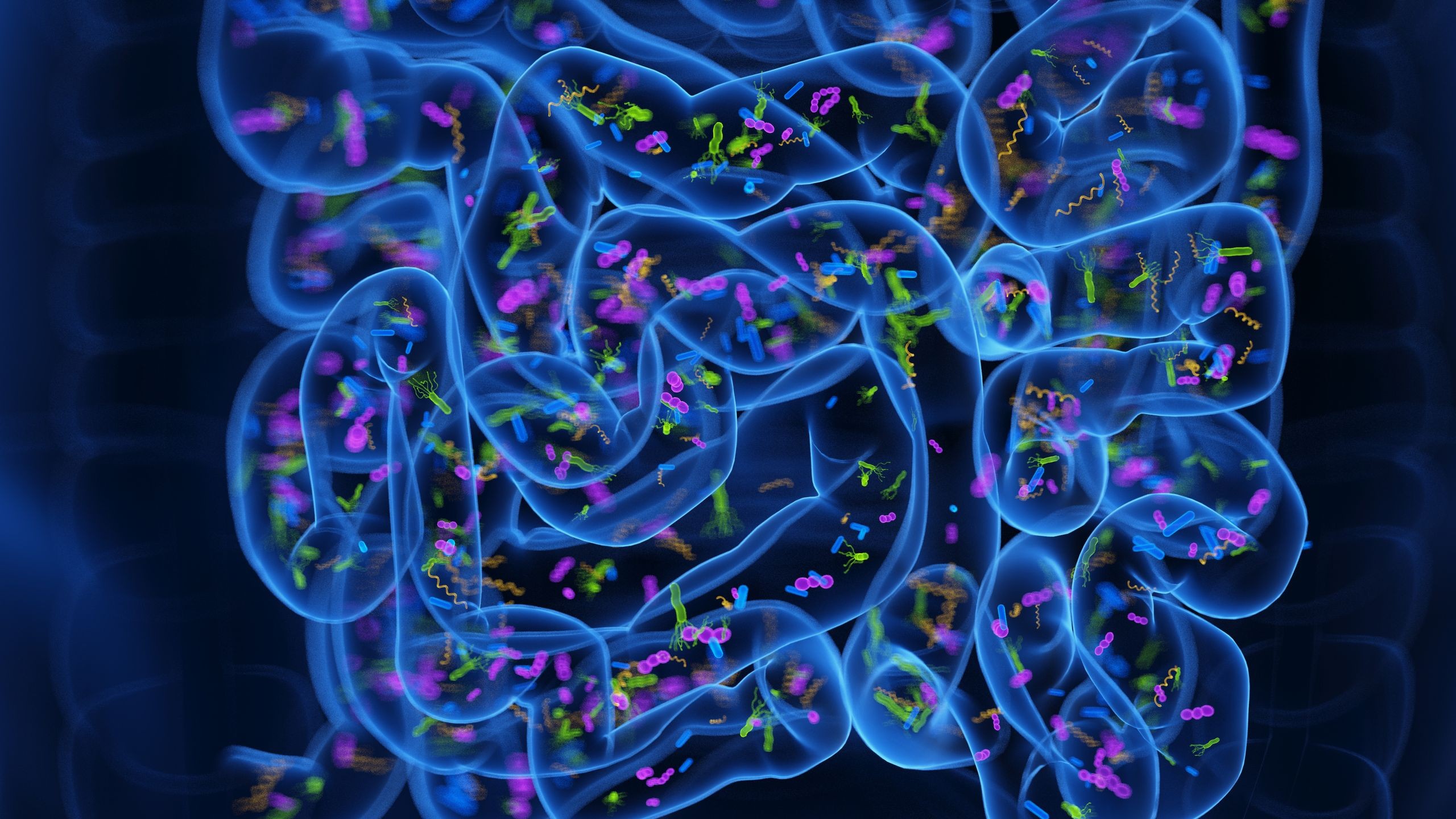
The findings align with growing research suggesting the gut microbiome plays a role in regulating the sleep-wake cycle.
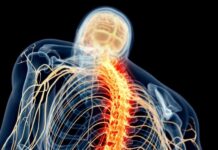
The gut and the brain are in constant communication. Gut microbes produce chemicals that travel through the bloodstream to the brain. These chemicals can influence inflammation, stress responses, and the body’s internal clock.
“Microbial communities in other body sites… may also influence sleep regulation through immune, metabolic and neural pathways.” — Kenji Hashimoto, Chiba University
If you shift certain microbes, you change the chemicals those microbes produce. That shift can alter the gut barrier and ripple outward to the brain, changing how you sleep. Or, conversely, bad sleep can mess up your microbiome. Which comes first? The study hints the transplant reshaped the microbiome, increasing some bacteria types while decreasing others.
Safety and Side Effects
On the surface, the procedure looks safe. In the FMT group, 37 out of 40 participants experienced no side effects at all.
The three who did report mild issues: nausea and a temporary fever.
Compare that to the placebo group, where no side effects were reported, but there were also no sleep benefits.
The Caveats: Why You Can’t Do This at Home Yet
Don’t go raiding your neighbor’s toilet just yet.
Several experts note this is proof-of-concept, not a prescription. The study was small. It was limited to relatively healthy adults in one country. Results might not translate broadly to different demographics or older populations with multiple comorbidities.
There are also technical holes.
- Timing: Sleep was only measured once after treatment. We don’t know if the effects stabilize or fade later.
- Antibiotic Interference: The participants took antibiotics before the transplant. Was it the donor bacteria, or the antibiotic cleaning, that made the difference? Experts say it’s unclear how much of the benefit comes from the microbes alone versus the clearance process.
- Predictors: Not everyone responded. Those who didn’t seem to differ in their microbiome after the treatment, but did differ in what they started with. Your baseline gut bacteria might determine if the pill works for you.
“These results should be regarded as promising proof-of-… rather than confirmation that FMT is ready.” — Kenji Hashimoto
Some researchers wish the study had tracked the specific chemical markers produced by the microbes before and after. Without that, the biological mechanism remains a bit of a black box.
The Verdict
Dr. David Gozal, a sleep specialist at Marshall University not involved in the study, called the findings encouraging. But he’s cautious.
For now, fecal microbiota transplant remains an experimental approach. It is not something for routine insomnia treatment.
“FMT remains an experimental approach… not something that should be used outside carefullycontrolled clinical studies.” — Harriët Schellekens
Until larger trials confirm safety and efficacy across diverse groups, these “poop pills” stay firmly in the research lab. They’re a fascinating look at how deep the connection between gut and brain really is. But they’re not ready for prime time.