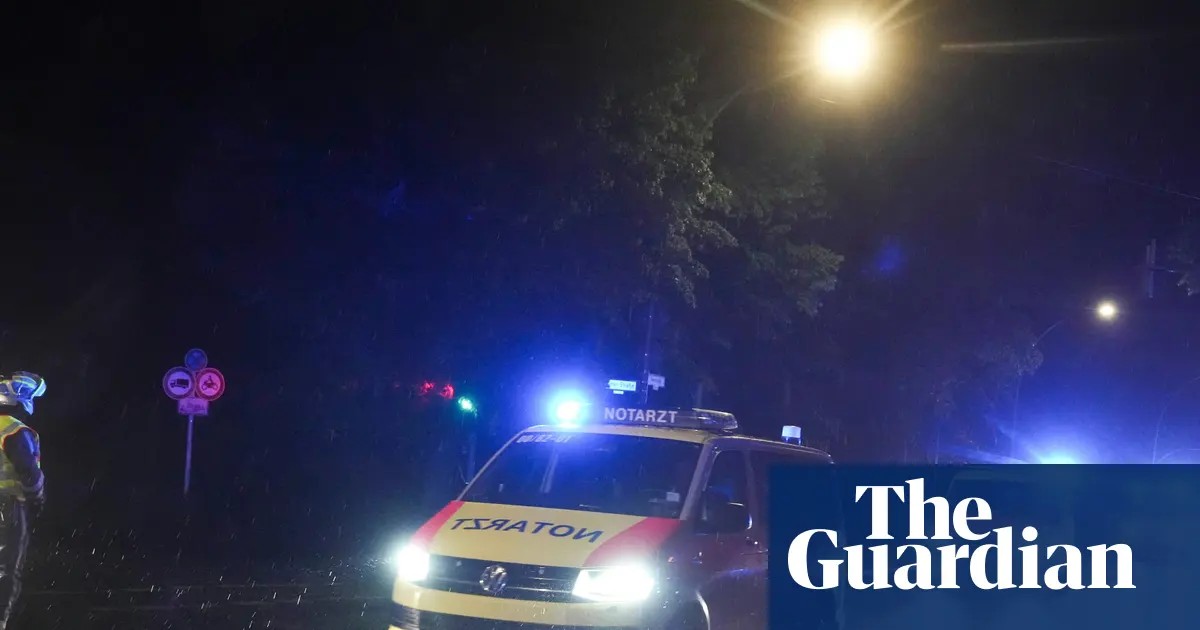
The US just decided that some Americans exposed to Ebola and hantavirus aren’t coming home. Not even to quarantine in a biocontainment unit. Instead they’re off to Germany and Czechia.
Experts call it risky. Not medically, necessarily. Legally. Ethically. And for the volunteers who might otherwise jump on a plane to help.
There is a very real likelihood that this outlier policy could substantially dampen volunteer response globally. — Alexandra Phelan
The Medical Evacuation Mix-up
A sick American doctor with Ebola is now in Germany. Stable, they say. Six others with exposure? Also overseas. On their way to German or Czech care facilities.
Why there? Why not home?
Satish Pillai of the CDC gave a briefing. Said these were the “most expeditious options.” Called out a fast-changing situation. Added that the locations were picked based on “needs present at that time.”
That sounds convenient. Also vague.
Czechia isn’t exactly famous for viral hemorrhagic fever treatment. But they have ties to the US State Department and the Strategic Preparedness agency. Good enough? Maybe.
The White House reportedly pushed back on bringing these folks back. Pillai didn’t confirm that specific directive. Blamed ground conditions instead. But the Washington Post reported the administration was opposed.
In 2015, Donald Trump screamed about Ebola on social media. Told people to suffer the consequences if they volunteered. The rhetoric then was fierce. Now? It feels quieter but the effect might be just as heavy.
Alexandra Phelan, a law professor at Johns Hopkins, says the rulebook is actually clear.
US citizens and green card holders have a right to return. The travel orders issued Monday don’t apply to them. America has billion-dollar biocontainment units sitting empty in some cases. Built for this.
So why fly to Europe?
The Cruise Ship Curveball
Meanwhile, a cruise ship hit by hantavirus docked in Nebraska. The MV Hondius. Passengers were initially told quarantine wasn’t mandatory. Some asked for home quarantine.
Then the order flipped.
They must stay in a Nebraska facility until May 31. Twenty-one days. End of monitoring.
Jay Bhattacharya seems to be driving the bus. Acting CDC duties. A controversial pick for sure.
Back in 2023, Bhattacharya criticized the Air Force Academy for quarantining students after two suicides. Called the social isolation a “tragedy.” Now? Mandatory facility quarantine is the play.
Any public health measure imposed has to be reasonable. Proportionate. Necessary. If it’s more restrictive than that, you are infringing rights. — Phelan
Angela Perryman, a passenger who chatted with a man who later died of the virus, tested negative. She’s fine. No symptoms. She wanted an Airbnb in Florida. Denied. Another guy wants to go home to New York. Denied too.
It’s weird. The same guy who hated lockdowns is now enforcing strict isolation.
The Volunteer Problem
This matters for the future.
If doctors think the US government will strand them overseas? Or treat them like criminals upon return? They stay away.
Craig Spencer learned that lesson in 2014. He came back from Guinea. Tested negative. Trump attacked him online. The backlash was toxic. Spencer says now it’s already hard to find staff who can afford to take unpaid volunteer gigs. Add the fear of not being allowed home?
A pure disaster.
Fewer volunteers mean the epidemic spreads. Less controlled outbreak means more death. More global risk. It’s a feedback loop nobody wants.
Pillai argued that local groups in Congo and Uganda are already doing the work. That’s true. They’re essential. But when the load gets heavy? The international surge matters. If the US signals that help is unwelcome or ungrateful? Who signs up?
Less Is More
The principle in global health law is simple.
Use the least restrictive measure necessary.
Home quarantine is voluntary. It’s humane. People are more likely to comply if they’re in their own beds, not a sterile room in Omaha. Courts have sided with this before.
Remember Kaci Hickox? 2014 Ebola nurse. She returned. Tried to go home. New Jersey’s governor wanted her in a hospital bed. The courts blocked him.
Now the CDC itself is keeping healthy people away from their homes.
Phelan thinks a judge could rule this unconstitutional for asymptomatic, tested-negative Americans who just want to go to Florida. Or New York.
Maybe they’re right.
The ships are leaving port. The decisions are made. The volunteers are watching. And asking a very human question.
If I help out there… will I actually come home?
Right now the answer feels uncertain.
And in a global crisis uncertainty is dangerous. It stops the hands from reaching out.