Babies count. Not really, not the way we do in school or at the grocery store. But they are born with a brain setup ready for numbers. The hardware is there before they even open their eyes.
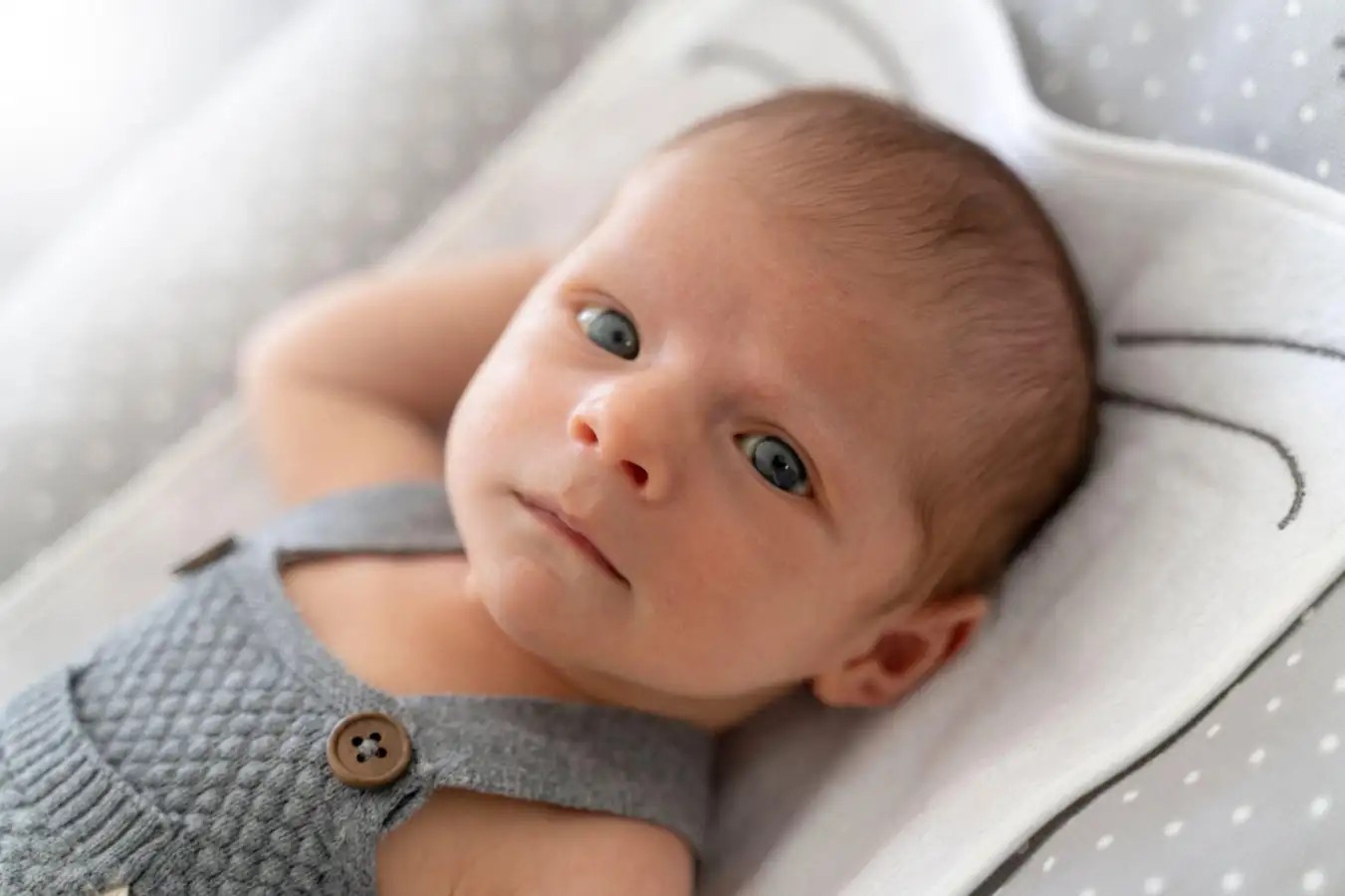
Marco Buiatti and his team at the University of Trento figured this out. They looked at twenty-one newborns. Zero to three days old. Fragile, fleeting, mostly asleep. Studying their minds is tough work. They only keep their eyes open for minutes.
“It’s complicated and slow, but so rewardable when we get results.”
The researchers strapped EEG caps to these tiny heads. Monitors tracking every spark of electricity. When a baby was awake, the team played a recording. A voice repeating syllables. Groups of four or twelve. La la la la. Then they showed dots. Four dots or twelve dots. Matching the sound. Or mismatching it.
The brain reacted.
Specifically, the parietotemporal area. It handles sensory sorting. When the number of dots matched the sounds, electrical activity dropped. This is called repetition suppression. The brain says I know this. It stops wasting energy.
But if the dots didn’t match the syllables? Neural activity spiked. A surprise. The adaptation broke. The brain had to work again.
This is huge.
It’s the first proof of a neural mechanism for an innate number sense. You don’t need language for this. You don’t need culture. You just need to be born human.
Brian Butterworth from UCL put it this way. He wasn’t in the study but he knows his stuff. Getting numbers from the world is like seeing color. You don’t calculate green. You just see it. Same with a bowl of pears. Same with four dots versus twelve. It’s the “start-up” toolkit.
Why would we need this at birth? Evolution.
Think about it. One predator. Many predators. The difference means life or death. One berry cluster. Many berry clusters. Food or hunger. Being able to distinguish quantity quickly kept our ancestors alive. It still lives in our genes.
This also matters for math skills later on. Number sense at age one predicts performance in math years down the line. Understanding these brain rhythms at day zero could help spot kids at risk for dyscalculia. That’s a learning difficulty where numbers just don’t stick. Maybe we can build an early neural biomarker.
Buiatti hopes so. It’s a start. The basics of higher math are built on this foundation.
So much for the idea that we’re blank slates regarding math. We arrive ready.
Side note
There’s also a competition going on. Bobby Seagull versus Tom Crawford. A TV personality versus an Oxbridge mathematician. They fight it out in three rounds: sport, history, video games. Who has the best math stories?
Penalty kicks. Pokemon. The metaverse. You vote.
Sounds fun? Maybe. But back to the babies. Their brains are working hard right now. Sorting the world into counts. Before they can speak. Before they can crawl.
They already know there’s a difference between four and twelve.
We should probably pay attention.