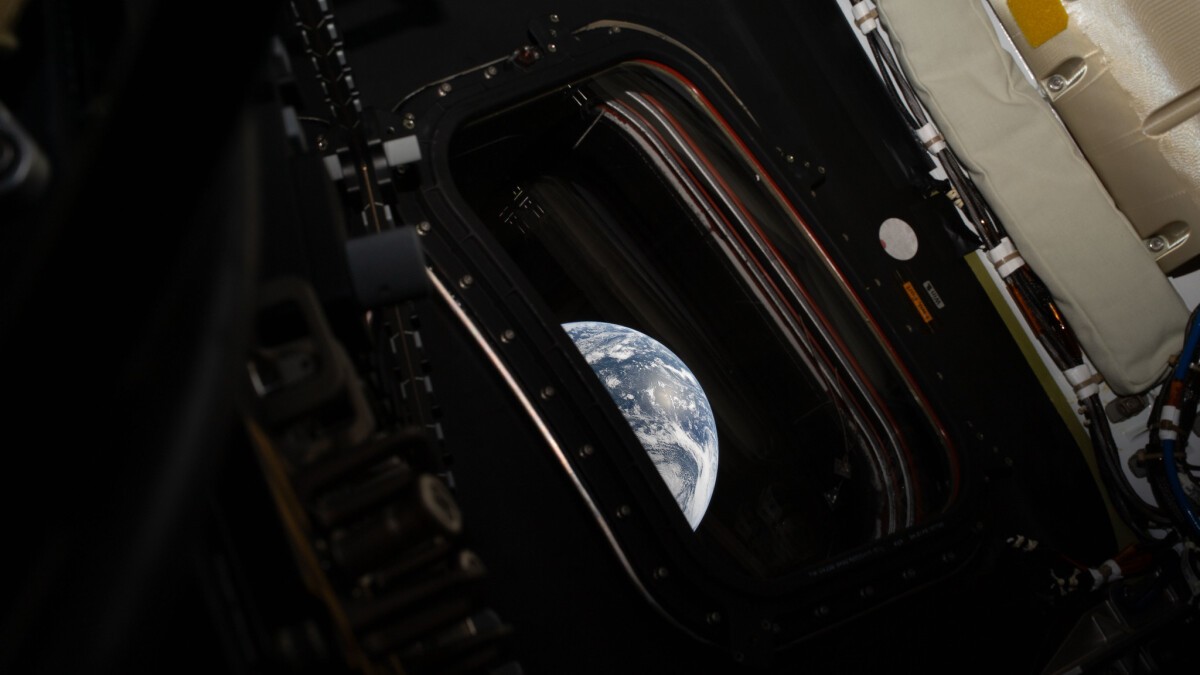
Big shift at NASA. The next big flight isn’t about going to the moon anymore.
Well. Not yet.
NASA just picked a four-person crew for Artemis III but scrubbed the landing plan. Totally. Instead of touching down on the lunar surface, this mission is becoming a high-stakes dance party in Earth’s orbit.
Think of it as a dress rehearsal.
Commander Randy Bresnik leads the team. He’s joined by Andre Douglas and Frank Rubio. Rounding out the quartet is Luca Parmitano from the European Space Agency. They’re scheduled to launch from Cape Canav no earlier than mid-2027 maybe sooner.
This seems like the very beginning of our nation’s return to space, says Isaacman. A little more dramatic than that actually.
He called it Earth’s first Starfleet.
What changed
In February things got messy. A sharp pivot in leadership brought in Jared Isaacman who wanted faster results. The old plan was too heavy, too complex, and frankly, behind schedule.
Artemis II worked. It went around the moon last spring. The crew checked out the Orion spacecraft’s heat shield, navigation, and life support. Deep space looked fine for them.
But Artemis III is different now. Closer to home.
The SLS rocket launches the four astronauts into low Earth orbit. There they meet their rides. Specifically landers from SpaceX and Blue Origin. Docking in space is hard. Doing it with massive commercial vehicles alongside NASA’s heavy hardware? Harder.
Three rockets launch for this one mission. Two dockings occur in orbit. One splashdown ends it all. About two weeks long.
The explosion issue
There is a glitch.
On May 28 Blue Origin’s New Glenn rocket blew up during a test. Big fireball. Launchpad gone. Worst rocket accident in U.S. history basically. Nobody died but the hardware was toast.
So can Blue Origin still join the party?
Yes. NASA says so. They’re stepping in with engineering muscle to fix things. Jeremy Parsons, the program manager, says they are working hand in hand. We have commitments to meet.
Parsons isn’t backing down. Neither is Isaacman. The pressure is real. China is getting ready to send humans to the moon soon. Maybe before us. Time is ticking.
Why complicate things
You might ask why test commercial landers here when we need to build a moon base?
Because complexity kills programs. The old Artemis plan tried to do too much at once. Now it’s about repeating steps. Simplify the stack. Fly often.
Engineers will run joint checks on air and power. They’ll test new spacesuits. They’ll keep astronauts inside Orion longer to stress-test life support systems. It’s all data collection before the big drop.
Bresnik talks about the torch being passed from Reid Wiseman. An Olympic gesture. Pretty sweet imagery for a pivot in strategy.
Artemis IV takes over the landing duty now. Target date is 2028 for the south pole. Then Artemis V follows. That’s the one for base building. Routine stays. Real infrastructure.
SpaceX and Blue Origin got notes. Simplify your early landers. Pick easier orbits. Send uncrewed flights first. Prove the taxi cab works before you put people inside it.
Parmitano thanks NASA for the spot on the crew. He calls it an honor. Bresnik wants the flame to burn brighter.
It feels like the start of something bigger than just getting back there. But right now the hardware just needs to stop exploding. Or at least stay attached during docking.