They’re reversing the damage. In animals anyway. And maybe humans soon.
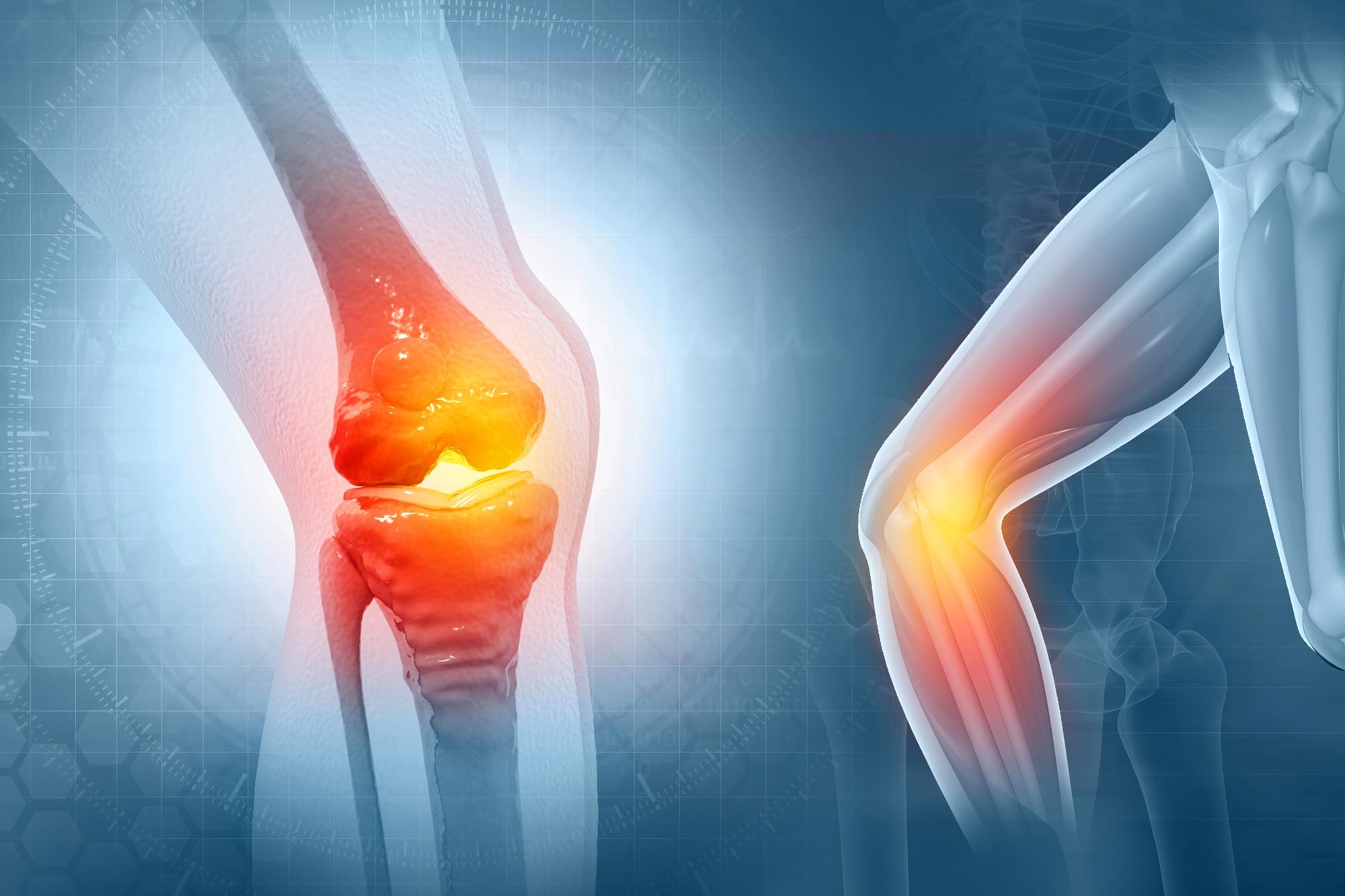
Osteoarthritis breaks down the cartilage between bones. It makes movement painful. It limits your life. But a new experimental approach suggests the disease might actually heal. Not just slow down. Heal.
Researchers managed to regenerate damaged cartilage and restore aging joints within weeks. Just weeks. This isn’t some distant sci-fi fantasy. It’s happening in labs now, with plans for human trials possibly starting in eighteen months.
The breakthrough comes from two specific strategies. One is a single injection that releases healing medicine slowly over time. The other is a biomaterial system. It tricks your own body into rebuilding bone and cartilage where it’s been worn away.
“Our goal is not just to taste the pain or halt progression, but to end this Disease.” — Stephanie Bryant
That’s the attitude at the University of Colorado Boulder and Colorado State University teams behind the work. They got the nod from the Advanced Research Projects Agency for health, known as ARPA-H. The agency is throwing money at this specific problem through a program called NITRO (Novel Innovations for Tissue Regeration in Osteoarthritis). Up to $33.5 million is on the line.
Why Wait? The Status Sucks
Think about what you usually hear from your doctor about arthritis.
Manage the pain. Or replace the joint. Those are the two paths. There’s no cure. The current system offers either a massive, expensive surgical ordeal or just learning to live with the grinding of bone on bone.
ARPA-H doesn’t like those options. Neither do patients.
Stephanie Bryant, the lead scientist on this project, admits it moved fast.
In two years they went from a “moonshot” idea to actual evidence. That’s quick. Especially when you consider osteoarthritis affects one in six people over thirty worldwide. In the US it’s the third most common disease.
The team used an FDA-approved drug. But they didn’t just inject it. They built a particle delivery system. A tiny vehicle for the medicine. It sits in the joint and trickles the drug out for months. For worse cases. Holes in bone. They developed engineered proteins. Hardened in place via arthroscopy. It calls in the body’s own progenitor cells to fill the void.
The Animals Got Better. Fast
Did it work?
Yes.
Arthritic joints in animals returned to healthy states in four to eight weeks. Researchers watched “full regeneration.” Not improvement. Full repair of the defect. It even worked on human cells taken from people waiting for joint replacements.
Bryant calls it “super exciting.” She’s part of the first group ever to advance to phase two of an ARPA-H program. The stakes feel high because the program itself is new.
Dr. Evalina Burger from CU Anschutz sees the broader impact. She sees older adults struggling to button shirts. Athletes quitting sports. The gap between “do nothing” and “total reconstruction” is wide and uncomfortable.
This could close that gap.
A Business Model for Health
Why does any of this matter to you?
Cost. Speed.
The dream isn’t just a better drug. It’s a low-cost, single-shot therapy. Imagine fixing your joint during one doctor’s visit. Then recovering quickly. No weeks of immobilization. No huge surgery bill.
The team knows it’s not enough to just have data. You need to get the tech out. They launched Renovare Therapeutics Inc. earlier this year to handle the business side. Commercialize the invention.
They’re publishing the animal results later this year in a peer-reviewed journal. If those numbers hold up in people, the timeline gets aggressive. Clinical trials in eighteen months?
That’s not long.
Will it cure arthritis forever? Probably not. But it might change how we live with it. We’ve spent decades treating the symptoms. Maybe it’s time to fix the structure.
Or maybe this is just another hope that fades. We’ll see. The data drops later this year. Until then. Keep moving.